
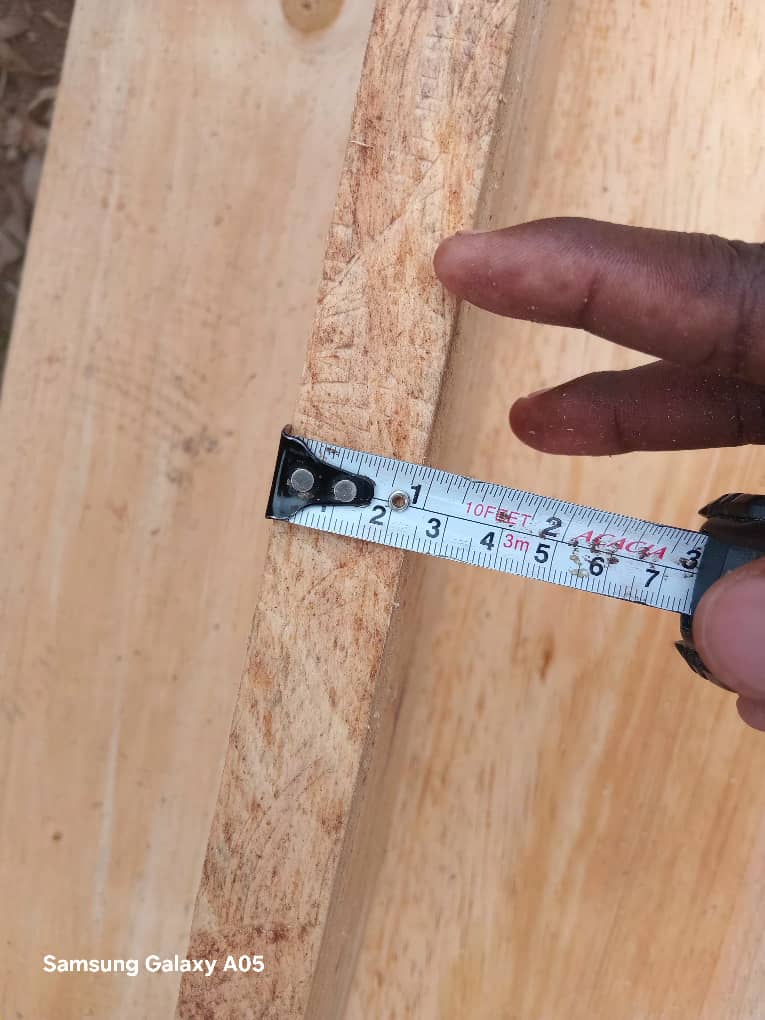
If you want to keep bees, you must first build modern beekeeping hives (commercial hives) of the Langstroth Hive type. The very first step is the correct selection of timber for making the hives. The wood used for the hives must have specific qualities to ensure effective beekeeping. Below, we have outlined these qualities, the reasons they are required, and their benefits to the beekeeper.
1. Wood Thickness

The wood used should have a thickness of 1 inch (approximately 2.5 cm) to 1.5 inches (3 cm).
Reasons:
- Heat Retention: Correct thickness helps maintain the hive’s temperature, which is crucial for reproduction and the calmness of the colony. Very thin wood does not prevent extreme heat or cold from entering.
- Air Control: Heavy (thick) wood prevents air from passing through arbitrarily, thus protecting bees from cold and extreme heat that can harm them. A hive with a one-inch thickness is best for making sturdy hives.
2. Cleanliness and Condition of the Wood
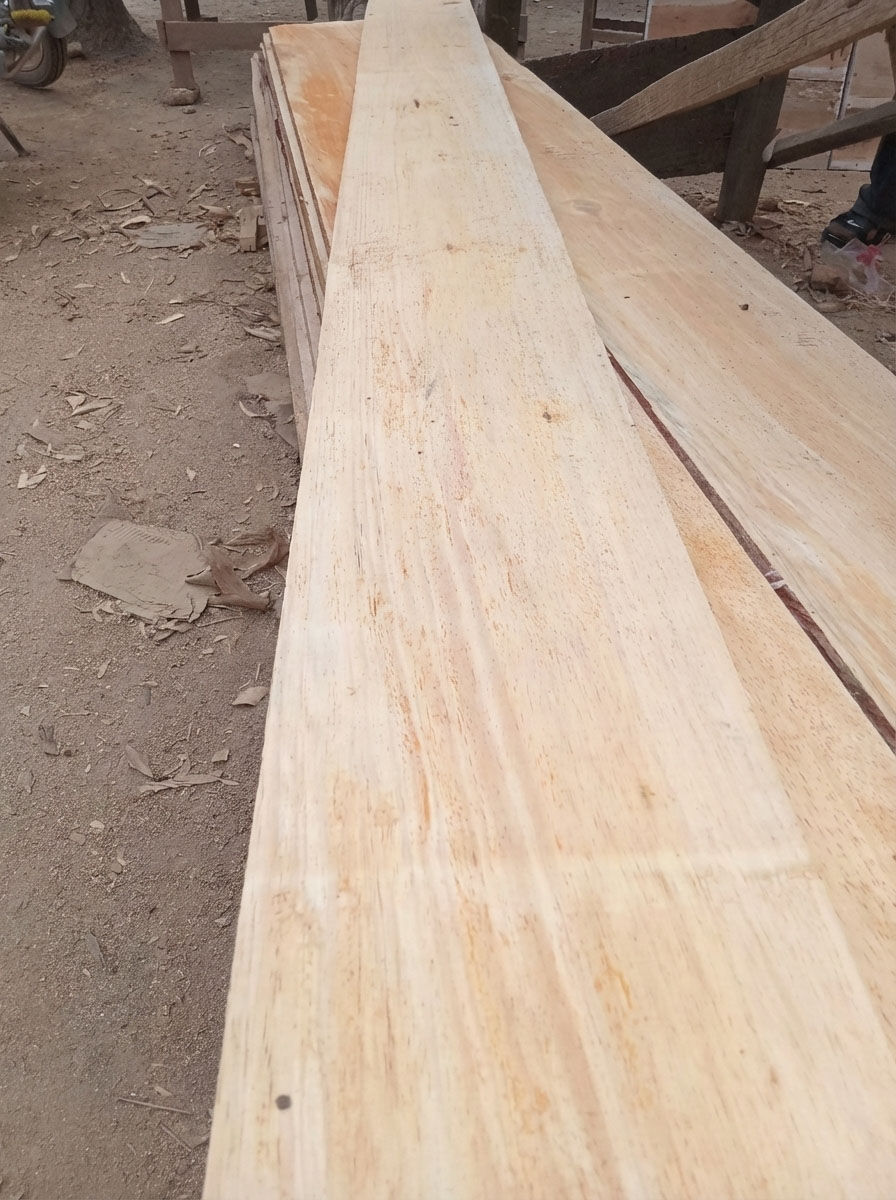
Selected wood must meet the following cleanliness criteria:
- It must not have insect holes.
- It must not have cracks that penetrate from side to side.
- It must not be burnt by fire.
- It must not have started to rot, even in small parts.
- It must not have strong smells like fuel (petrol, diesel) or chemicals.
Reasons:
- Preventing Pests: Holes allow destructive pests to enter inside the hive.
- Bee Environment: Bees are sensitive creatures and prefer a clean environment without chemical smells, which can cause them to delay entering or to migrate.
3. Dryness of the Wood
The wood must be properly dried. The moisture level should be below 12% to 18%.
Reasons:
- Preventing Cracking: Wood with high moisture will crack after the hive is built, which damages the hive.
- Preventing Mold and Rot: Green (wet) wood attracts mold, fungus (poison), and starts rotting early.
- Smell: Bees do not like the smell of raw wood (sap), which can delay the colony from entering the hive.
4. Durability and Hardness
The wood should be strong and hard so it is not easily eaten by insects, attacked by termites, and can withstand outdoor environments (lasting many years).
- Examples of Good (Hard) Wood: Mninga, Mkongo, Mvule.
- Note: If you use soft wood like Pine (Mpaini), it must be treated with preservatives on the outside of the hive only to protect it, as Pine is soft and damages quickly.
Reasons:
- Weak wood is easily penetrated by safari ants, termites, and small ants.
5. Weight of the Wood
The wood should not be excessively heavy nor excessively light.
Reasons:
- Too Heavy: It is difficult to carry and move hives (e.g., during harvesting).
- Too Light: Often weak and cracks quickly.
6. Heat Insulation Capacity
Choose wood capable of reducing intense daytime heat and retaining warmth at night.
Reasons:
- Reducing Stress for Bees: Poor wood causes bees to use a lot of energy heating or cooling the hive instead of producing honey.
- Brood Rearing: Bees need a temperature of 32-35 degrees Celsius inside the hive to raise their young (brood).
7. Good Wood for Carpentry (Construction)
Good wood for hives should have qualities that make the carpenter’s job easier:
- Easy to nail or screw without splitting.
- Easy to plane smoothly.
- Easy to cut well without splitting.
Reasons:
- Reduces time, energy, and material costs for the carpenter.
- Ensures the hive is neat, stable, and free of holes.
Importance of Quality Wood for the Beekeeper
When a beekeeper considers these qualities when choosing wood, they gain the following benefits:
- Longevity: The hive lasts for a long time.
- Attracting Bees: Quality hives attract bee colonies to enter quickly.
- Protection: It prevents destructive pests like safari ants, termites, cockroaches, and mice.
- Better Honey: It increases the quality of the honey produced.
- Cost-effective: It reduces frequent maintenance costs.